10,000 Steps: Science or Speculation?
One thousand, two thousand, three thousand… you’re still 7,000 steps away from that glimmering 10,000-step goal. It glows on your tracker, begging you to hit the golden number. But… it’s been 30 minutes already, and you seem to have a long way to go. You start to wonder—do you really need 10,000 steps every day to stay healthy?
The short answer is no. The concept of walking 10,000 steps originated in Japan as a marketing strategy. During the 1970s, when there were growing concerns about declining physical activity, Dr. Yoshiro Hatano released a pedometer—a device that counts steps—into the market.
He named it “Manpo-kei,” which literally translates to “10,000 steps meter.” The number was not based on any scientific evidence or research whatsoever, but it was catchy and stuck around.
That is not to say that this is a complete myth, however. Walking is, in fact, associated with many health benefits. The great news is that you do not necessarily need to walk a full 10,000 steps to enjoy them, as research shows that even smaller amounts of walking can improve your health. Getting around 4,000 to 6,000 steps a day can already improve heart health, reduce the risk of chronic diseases, and boost your mood.
Now, let us break down what makes these steps so good for us.
Firstly, walking makes your heart beat faster (even when your crush isn’t around). This is because your muscles need more oxygen and nutrients during physical activity, and blood circulation is how these essential elements are delivered. Over time, this strengthens your heart, lowering the risk of high blood pressure and other heart diseases.
Additionally, your heart would not be the only thing growing stronger. Walking is a weight-bearing activity, which means your bones have to support your weight against gravity (as compared to activities like swimming). Each step puts a gentle pressure on your bones, allowing them to grow denser and stronger.
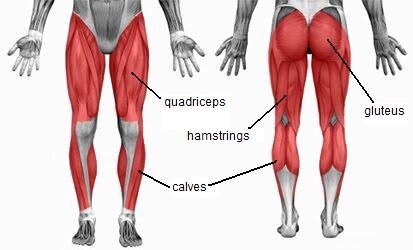
Your muscles benefit too, since walking involves a lot of muscles like your calves, quadriceps, hamstrings, glutes, and core. As these muscles work to move you forward, microtears form. Each time the body repairs these minuscule injuries, the muscle grows and becomes more resilient.
Even your joints get a boost, as walking increases the flow of synovial fluid, the natural lubricant of your joints—kind of like the oil in a machine. This, along with your strengthened muscles, can keep you healthy in the long run, giving you a reduced risk of developing osteoporosis and arthritis.
Beyond these physical benefits, there are also psychological ones. Remember how the heart beats faster and pumps out more blood while walking? Well, this increase in blood flow also helps your brain. It activates the parts of your brain responsible for controlling stress and emotions, which causes it to release endorphins. These are chemicals that make you feel good and happy, reducing feelings of stress, anxiety, and even physical discomfort.
At the same time, walking also increases levels of serotonin and dopamine, which are among the four main “happy hormones.” As the term suggests, they make you feel happy and help regulate mood and focus. Even short walks can help you feel calmer and be more organized.
At the end of the day, the 10,000-step goal is just a number that humans picked up because it sounded nice; it is not a requirement or necessity for staying healthy. What matters more is finding ways to move each day and staying consistent with your physical activity. Even if it is just your daily bathroom or clinic trips in school, every step helps you stay a little bit healthier.
Sources:
https://www.health.harvard.edu/staying-healthy/5-surprising-benefits-of-walking
https://www.webmd.com/fitness-exercise/mental-benefits-of-walking
https://www.mayoclinic.org/healthy-lifestyle/fitness/in-depth/walking/art-20046261