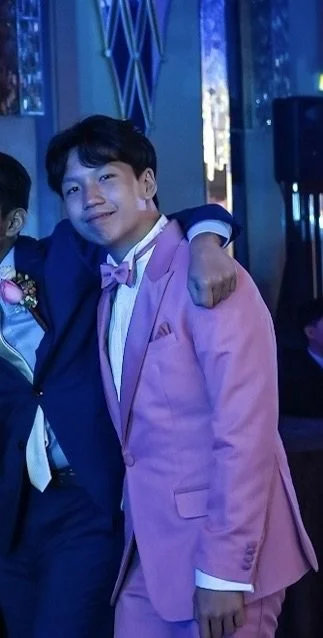
On April 17, 2026, 21-year-old star d4vd—whose real name is David Anthony Burke—was arrested on suspicion of murder and being held without bail. When news first broke of his connection with the death of Celeste Rivas Hernandez, a 14-year-old girl whose remains were found on September 8, 2024, in a vehicle registered under d4vd’s name, reactions online were immediate and divided. Some expressed shock, while others responded with anger or a sense of validation following months of speculation surrounding the case. The same artist, once praised for his “relatable” beginnings, recording music in a closet and rising through online platforms, had now become the subject of a criminal investigation, as discussions about the situation circulated like wildfire across social media platforms. Social media feeds were filled with resurfaced clips, threads, and deep analyses of his breakout song, Romantic Homicide, as listeners combed the lyrics for clues they believed might be connected to the controversy.
The online debates, fan responses, and immediate accusations revealed something more telling than the headlines: we are often more attached to a person’s image than to the reality of who they are. In today’s culture, celebrities carefully curate identities that feel authentic, and audiences form unrealistic expectations based on those images. When those expectations collapse, both fans and the celebrity face the consequences. This phenomenon isn’t just about one controversy; it’s about how blind faith in curated personas shapes the way we think, react, and judge.
Nowadays, celebrities don’t merely create art; they curate identity. Through interviews, livestreams, casual posts, and deliberate selection of “behind-the-scenes” content, public figures control what audiences see and what remains hidden. The audience begins to see them as authentic and relatable. This emotional closeness is what psychologists describe as a “parasocial relationship,” a one-sided bond in which audiences feel personally connected to someone whom they have never actually met or been acquainted with. The more consistently we consume a person’s content, the more we equate their openness to honesty. We defend them, celebrate their successes as if they were our own, and sometimes dismiss criticism before examining it. What starts as admiration slowly turns into loyalty, not only because of who the celebrity is, but also because the audience begins to see their desires, values, and aspirations reflected in that image. In this way, blind faith often reveals more about the viewer’s needs than about the public figures themselves.
Uncritical devotion is dangerous because it replaces independent judgment with emotional loyalty. When admiration turns into unquestioned loyalty, people begin filtering information through emotion rather than evidence. This pattern becomes even more consequential when it influences civil decisions. In the Philippines, political figures such as Rodrigo Duterte, Ferdinand Marcos Jr., and Sara Duterte continue to maintain strong public support despite controversies and polarizing leadership. Campaigns often blur the line between governance and entertainment, with rallies that feature singing, dancing, and other crowd-pleasing performances meant to make candidates feel relatable. In such an environment, popularity and performance can overshadow policy evaluation. Supporters may dismiss criticism not because the evidence has been examined, but because questioning a leader they admire creates discomfort. When loyalty outweighs scrutiny, public judgment becomes shaped more by image than by accountability.
We may be inclined to assume that this pattern goes beyond celebrities to anyone placed on a high pedestal, from community figures to organizational heads and even student leaders within schools. We often mistake confidence or status for moral integrity, perceiving admired figures as beyond reproach. Yet popularity and achievement do not guarantee wisdom or maturity. A politician may command a large following online, lead campaign rallies, or entertain crowds using their own humor and performance, but these traits do not necessarily reflect the ability to govern responsibly or make effective policies.
The situation surrounding d4vd isn’t just about one musician. It reflects our fascination with influential figures, whether they’re celebrities, student leaders, or online personalities, and how admiration can blur judgment and inflate expectations. While there is nothing inherently wrong with appreciating someone’s art or admiring their leadership and talent, problems arise when appreciation turns into unquestioned loyalty. We can respect someone without putting them on a pedestal. We can celebrate someone’s achievements without presuming moral perfection from them. Unrealistic admiration not only distorts our judgment; it also places immense pressure on individuals to maintain an image they may not be able to sustain. The issue is not simply what we see, but the assumption that the public image we are shown represents the entirety of a person’s identity and character.
When re-emerging clips ignite online debates, and lyric analyses spiral across social media feeds, there is an urgent need for critical thinking. Appreciation does not require idolization. The more responsible response is often to pause, resist the urge to act immediately, and wait for information before forming conclusions. The real lesson isn’t about declaring guilt or innocence but about recognizing how quickly we substitute an image for evidence.