
Brewing Up a Storm
You’re a police officer, and you pull over someone driving recklessly.
“Officceerr, I’mm nott drunk..! I didn’t evenn drink..!”
That’s what the man tells you. Looking at the breath analyzer, his blood alcohol level was 0.2%, equivalent to consuming 10 drinks in an hour.
Your co-worker chimes in through the walkie-talkie with another report.
“A 26-year-old woman frequently has episodes of confusion, drunkenness, dizziness, and poor recollection of events after eating seemingly normal food. Today, she called her husband in a restaurant, feeling dizzy, and was soon found wandering the streets reeking of alcohol.”
Another co-worker uses the line to report another incident.
“A man was scrumptiously enjoying his Victoria Sponge Cake, then minutes later became violently drunk. He claims not to have been drinking, but who knows?”
What all these individuals have in common is that they insist that they had not been drinking alcohol and had eaten beforehand. You try not to panic as thoughts of a drunk zombie apocalypse come to mind.
The majority of these drunkenness incidents stem from what’s known as Auto-Brewery Syndrome or ABS. This can explain how intoxication can occur without any alcohol being consumed. When our body breaks down food, it releases sugars and starches. However, some starches, such as dietary fiber and resistant starches (commonly found in fruits and vegetables), can’t be broken down by enzymes in the body. This is where special microbes in our gut come into play.
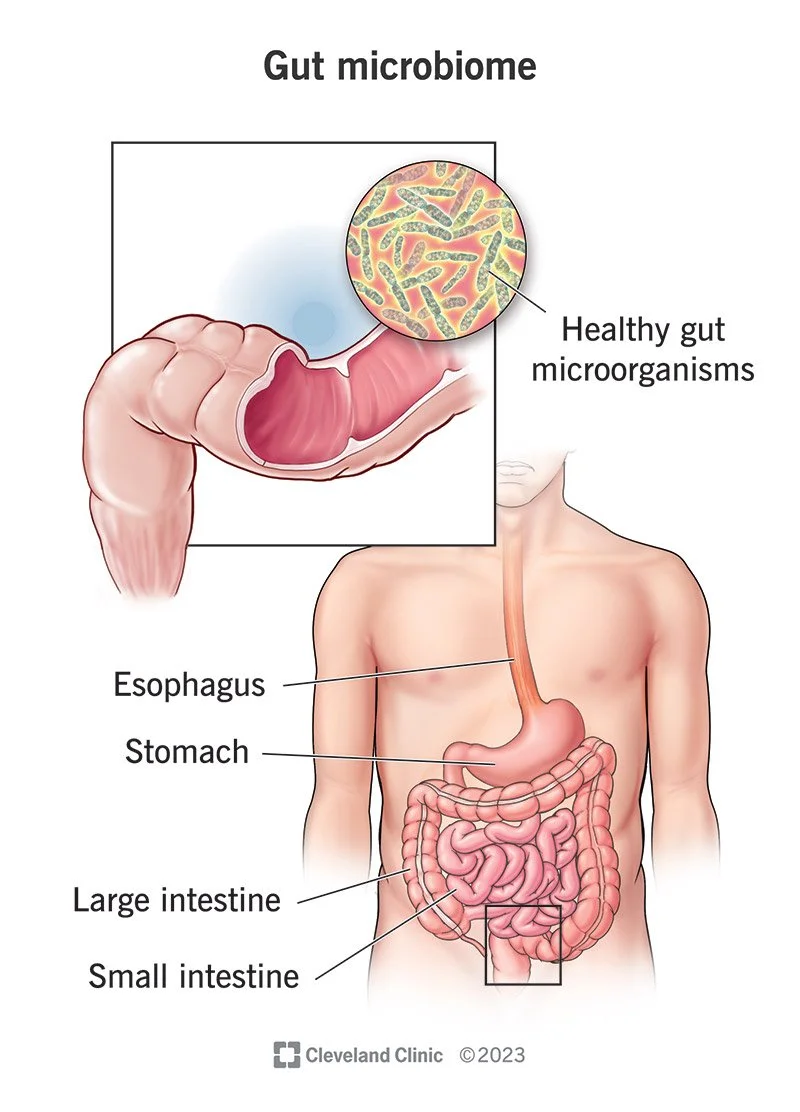
The majority of gut fermentation occurs in the colon or large intestine. However, in rare cases, overgrowth of certain microbes can cause fermentation to skyrocket and reach into the small intestine, where carbohydrates are more abundant. This effectively turns carbohydrates and sugars into ethanol, or alcohol.
While ethanol can occasionally be made in our gut, the liver usually processes it quickly through a process called “first-pass metabolism,” which essentially keeps our blood alcohol level at zero. However, in ABS, microbes, such as yeast, work too fast and produce large amounts of alcohol that the liver can’t process quickly enough. This causes common symptoms of inebriation without actually drinking any form of alcohol. To manage ABS, doctors usually treat the yeast overgrowth with antifungal medications and put the patient on a strict low-carbohydrate, low-sugar diet to starve the microbes that ferment alcohol in the gut. Doctors may also recommend taking probiotics to support the new growth of more beneficial microbes, which prevents yeast from growing and stops ABS.
With the case being solved, you clock out for the day. Later, at a restaurant with friends, you raise a glass (this time knowing where the alcohol came from) and drink responsibly without the fear of microbes taking over your body.
Sources:
https://edition.cnn.com/2024/06/03/health/auto-brewery-syndrome-wellness
https://journals.lww.com/ajg/fulltext/2021/10001/s2183_auto_brewery_syndrome__drunk_on.2187.aspx
https://www.indiatimes.com/trending/wtf/auto-brewery-syndrome-man-get-drunk-from-cake-531781.html
https://my.clevelandclinic.org/health/body/25201-gut-microbiome
